Turkey's goldsmithing tradition
Turkey has one of the world's great goldsmithing cultures, stretching back centuries through the bazaars of Istanbul and the workshops of the Aegean coast. For a visitor, that means real craftsmanship is genuinely available — but it also means knowing how to tell a working goldsmith from a tourist stall. This guide walks you through everything to know before you buy.
Understand gold karats
Gold purity is measured in karats. 24k is pure gold — soft and very yellow. 22k is rich and traditional, popular across Türkiye for its deep colour and gold content. 18k (75% gold) is the international standard for fine jewellery — durable and luxurious. 14k (58.5%) is harder and more affordable. None is 'better' in the abstract; they suit different pieces and budgets. A good jeweller explains which karat fits what you want.
Hallmarks and weighing
Quality gold is hallmarked to show its purity. Ask to see the hallmark, and ask to watch the piece weighed — honest sellers weigh gold openly and price it at the day's market rate plus a making charge. If gold is sold by a flat price with no weighing and no hallmark talk, be cautious.
How honest pricing works
A fair price for gold jewellery has two parts: the metal (weight × daily gold rate × purity) and the labour (the making charge). For pieces with stones, add the certified value of the stone. When all of this is shown openly you can compare with confidence. A single 'special price' with no breakdown is the classic sign to slow down and ask questions.
Diamonds and certification
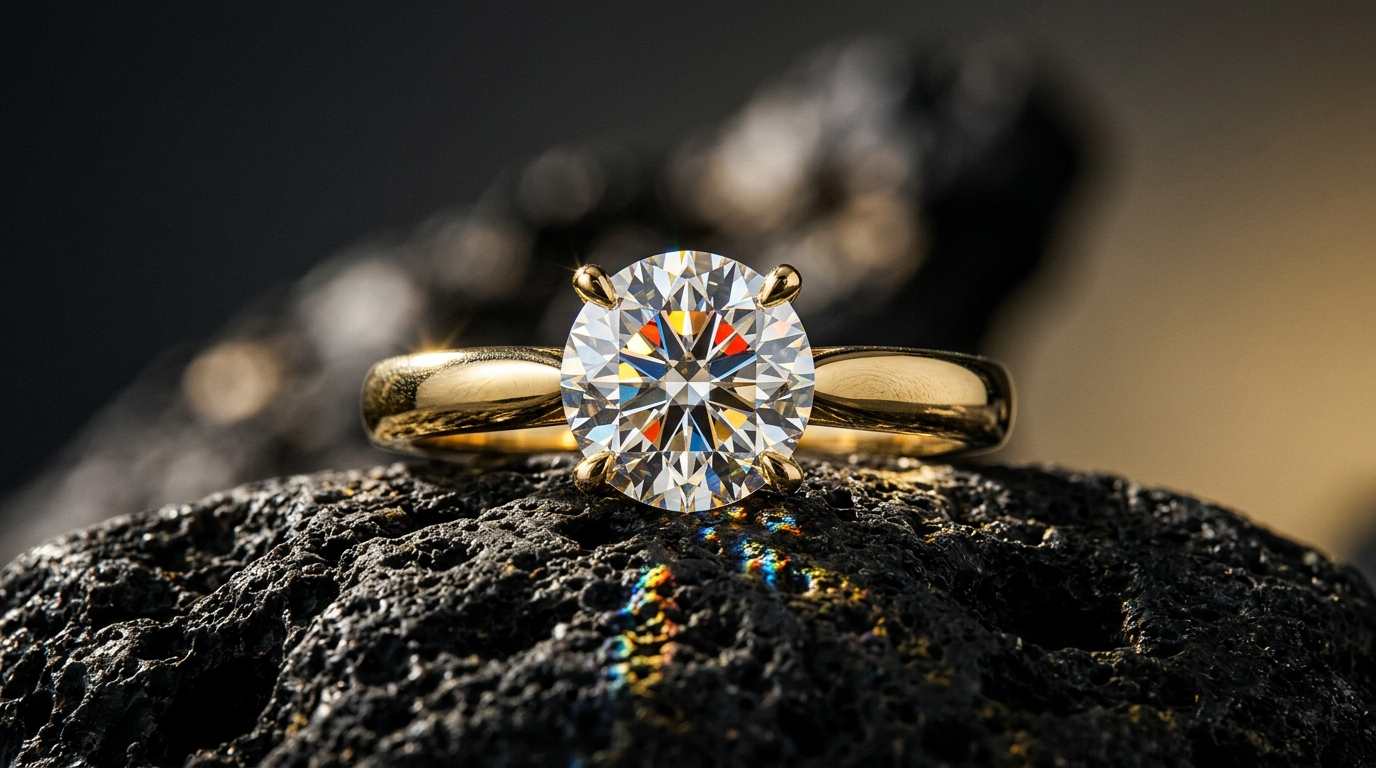
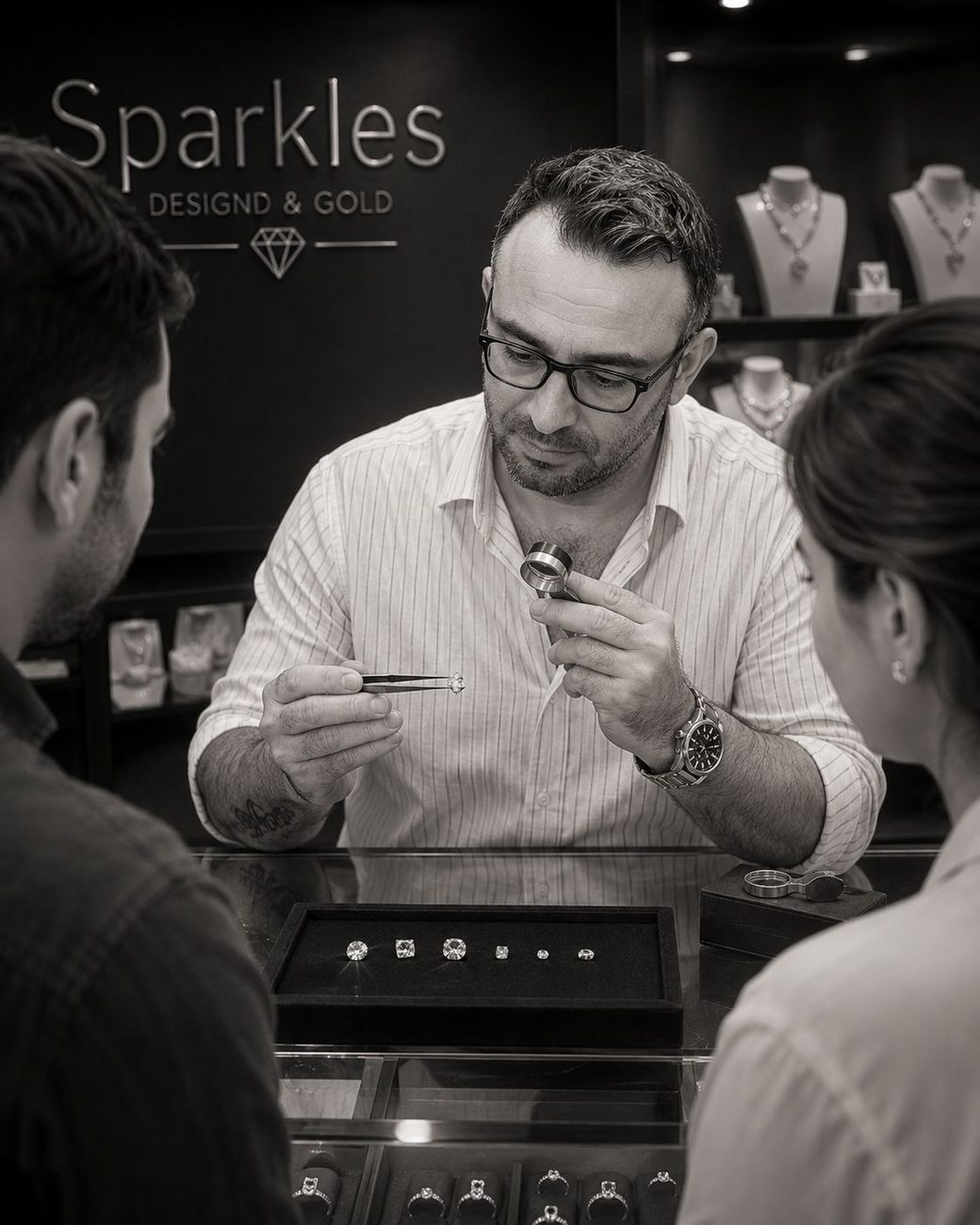
If you're buying a diamond, ask whether it's certified and to see the report, and have the jeweller show you the stone under a loupe and explain its cut, colour, clarity and carat. Reputable goldsmiths do this happily. Buying just under a round carat weight, prioritising cut, and choosing eye-clean near-colourless stones gives the best value.
Haggling, politely
Some gentle negotiation is normal and expected in Turkish bazaars, especially on finished pieces. But with a genuine goldsmith pricing gold by weight, there's less room to move on the metal itself — the honest price is already close to the bone. Focus your questions on understanding the breakdown rather than just pushing for a discount, and never let pressure rush you.
Customs and bringing it home
Jewellery you buy is generally yours to wear home, but every country has its own customs allowances and they change, so check your destination's current rules before you travel. Keep your receipt and any certificate together as proof of purchase and value. For higher-value items, insured shipping with documentation is worth considering. This is general guidance, not legal advice — confirm your own country's allowances.
Aftercare: the part people forget
Good jewellery is a long-term relationship. Ask what aftercare comes with your purchase: cleaning, polishing, claw checks, resizing and repairs. At Muharrem Çakır we clean and polish our pieces free for life and resize our rings free — so every time you're back in Marmaris, your gold can be brought back to the day you bought it.
How to find a goldsmith you can trust
The signs of a trustworthy jeweller are the same everywhere: a permanent workshop, a long local reputation, willingness to explain and certify, pricing broken into parts, a real guarantee, and no pressure. Ask how long they've been there. Ask to see them work. The best jewellers are proud to show you — at our bench in Marmaris, that openness has kept customers coming back for forty years, often across three generations of the same family.
A warm welcome on the Aegean
Buying jewellery in Turkey should be a pleasure, not a pressure. Take your time, ask everything, and enjoy it — at our shop that includes a cold apple tea or a martini while you browse. Whether you leave with a ready piece, a bespoke design made within your holiday, or simply a clearer idea of what you want, you should leave feeling looked after.
Visiting Marmaris, İçmeler, Turunç or Bozburun? Come and see how jewellery should be bought — openly, honestly, and made by the hand that sells it.
A little history helps you buy better
Türkiye's relationship with gold runs deep. For generations, gold has been not just adornment but savings, security and ceremony — gifted at weddings, kept as a hedge, and worked by goldsmiths whose skills pass down through families. This culture is good news for a visitor: real craftsmanship is genuinely available, gold is taken seriously, and an honest weight-based price is the cultural norm rather than the exception. Understanding that gold here is treated as both jewellery and stored value explains why a proper goldsmith will always weigh it openly — to a Turkish customer, the weight is the substance of the thing.
The grams-and-rate system explained
Once you understand how gold is priced in Türkiye, you will never feel lost in a shop again. Gold jewellery is priced by weight: the number of grams, multiplied by the day's gold rate for that purity (karat), plus a making charge — known as the labour or 'işçilik' — for the craftsmanship. That is the whole formula. A heavier piece costs more because it contains more gold; a more intricate piece costs more because it took more skilled hours to make. When a jeweller weighs your piece in front of you and tells you the rate and the making charge, they are simply showing you this formula at work. It is the clearest, fairest pricing system in jewellery, and it is the standard here.
Karats: choosing the right purity for the piece
Different karats suit different purposes. 24k is pure gold — gloriously yellow but soft, better for bangles and savings pieces than for everyday rings that take knocks. 22k is rich, deeply golden and traditional across Türkiye, popular for bangles, chains and gift pieces. 18k (75% gold) is the international fine-jewellery standard — durable enough for daily rings yet still unmistakably gold, and the usual choice for diamond settings. 14k (58.5%) is harder and more affordable, good for pieces that take heavy wear. No karat is 'best' in the abstract; the right one depends on what the piece must do and your budget, and a good jeweller matches them for you.
Hallmarks and how to check them
A hallmark is a tiny stamp confirming the gold's purity — you will see numbers like 585, 750 or 916, which correspond to 14k, 18k and 22k respectively. Ask to see the hallmark on a piece, and ask the jeweller to confirm the karat and weigh it in front of you. Reputable goldsmiths do this as a matter of course. The combination of a visible hallmark, an open weighing and a price built from weight, rate and making charge is your assurance that you are paying for exactly the gold you are getting.
Diamonds and coloured stones
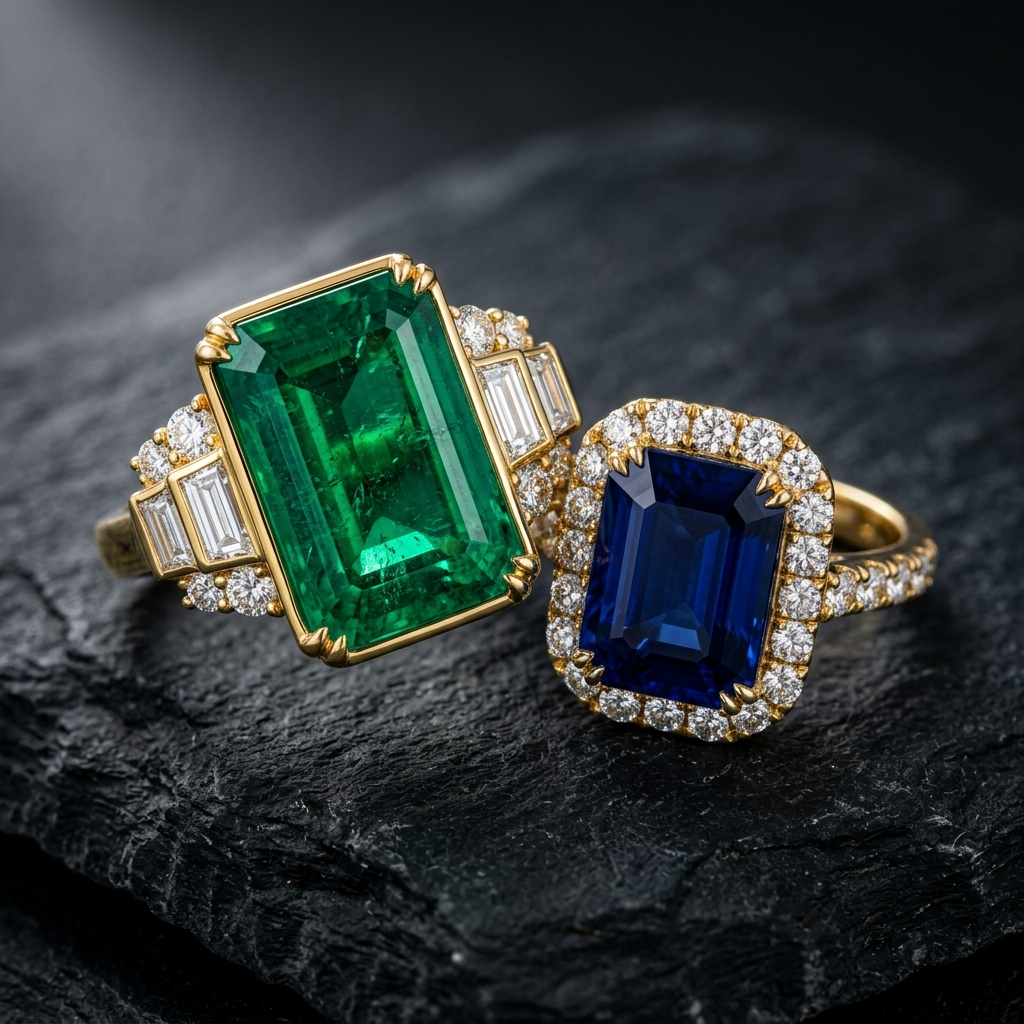
If your piece includes stones, the same principles from diamond-buying apply. For diamonds, ask whether the stone is natural or lab-grown and certified, see it under a loupe, and have the 4 Cs explained. For coloured stones — emerald, sapphire, ruby and others — ask about origin and any treatments, since most coloured stones are routinely treated and that is normal as long as it is disclosed. The honest seller volunteers this information; you should never have to extract it. As always, the stone's value should be shown separately from the gold so you can understand the total.
Negotiating respectfully and realistically
A little good-natured negotiation is part of the culture, particularly on finished pieces and in the bazaars. But set realistic expectations: when gold is priced by weight at the public daily rate, there is genuinely little room to discount the metal itself — the honest price is already close to the bone. Where there may be some flexibility is on the making charge or on a finished piece a seller is keen to move. The most valuable thing you can 'negotiate' for is information: ask for the breakdown, ask about the stone, ask about aftercare. A jeweller who answers all of that openly has earned your business more than one who simply drops the price.
Customs, VAT and bringing it home
Jewellery you buy is generally yours to take home and wear, but every country sets its own customs allowances and duty thresholds, and these change over time — so check your own destination's current rules before you travel, especially for higher-value items. Keep your itemised receipt and any certificate together; they prove what you bought and its value, which matters for customs, for insurance and for any future valuation. Some travellers prefer insured shipping with documentation for valuable pieces rather than carrying them through airports. This is general guidance rather than legal advice — confirm the specifics for your country.
Aftercare: the question almost nobody asks
Most buyers focus entirely on the purchase and forget to ask what happens afterwards — yet aftercare is where a relationship with a jeweller proves its worth. Ask what is included: cleaning, polishing, claw and setting checks, resizing, and repairs. Good gold jewellery, looked after, lasts generations; neglected, even fine pieces dull and loosen. At our Marmaris bench we clean and polish our pieces free for life and resize our rings free, precisely because we expect to see our customers — and their children — again and again. A jeweller who offers real aftercare is telling you they intend to be here, and accountable, for the long term.
Red flags and green flags, side by side
To pull it all together, here is what to watch for. Green flags: a permanent workshop you can see, a craftsman who explains and shows, gold weighed openly with a visible hallmark, prices broken into gold, stone and making, certification for diamonds, a clear guarantee, real aftercare, three-language service, and absolutely no pressure to decide today. Red flags: a pop-up or counter with no workshop, reluctance to weigh gold or show hallmarks, a single mysterious 'special price' with no breakdown, vague or absent paperwork, undisclosed treatments, hard pressure and 'today only' urgency. The difference between a treasured purchase and a holiday regret is almost always which list the seller belongs to.
Why we built this guide
Muharrem Çakır has worked gold at the same Marmaris bench since 1985, serving British, Russian and Turkish visitors — many of them now the children and grandchildren of his first customers. We wrote this guide because an informed buyer is a happy buyer, and because everything in it describes simply how we have always worked: gold weighed in front of you, stones explained honestly, prices broken into their real parts, a five-year guarantee, free lifetime cleaning, and a cold apple tea or a martini while you decide. Come and see us in Marmaris, İçmeler, Turunç or Bozburun — or message first and we will have a few things ready for you to compare.
Visiting Marmaris? See certified diamonds explained honestly and design a piece within your holiday.
Made to order Message on WhatsApp